
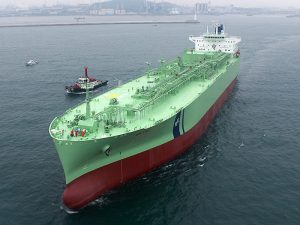
Flag state approval clears way for first conversion of LPG carrier to LPG fueling
Following acceptance of the design by the Isle of Man Ship Registry, BW LPG is to go ahead with its plan to convert the engines of 12 of its Very Large Gas
Following acceptance of the design by the Isle of Man Ship Registry, BW LPG is to go ahead with its plan to convert the engines of 12 of its Very Large Gas
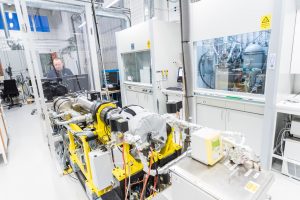
Wärtsilä has initiated combustion trials using ammonia. The research will help the company to prepare for the use of ammonia as a fuel that can contribute to reducing greenhouse gas emissions. As
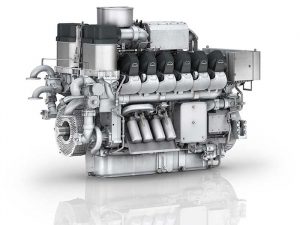
MAN Energy Solutions is to supply the main propulsion engines for two new Robert Allan Ltd. designed ice-breaking ASD tugs that will be operated by Svitzer in the Scandanavian region. Each vessel,
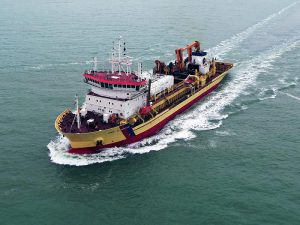
Damen Shiprepair & Conversion has completed the conversion of the 117 m dredge Samuel de Champlain to dual-fuel operation on liquefied natural gas (LNG) and marine gas oil (MGO). The first conversion
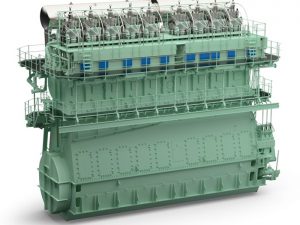
WinGD (Winterthur Gas & Diesel Ltd.) has introduced three new low-speed, two-stroke engines that are capable of operating on low emission fuels. It says the new additions to the portfolio — the
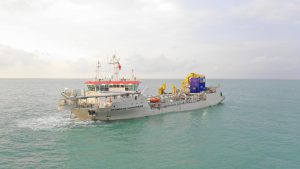
Keppel Singmarine’s Nantong, China, shipyard has delivered the world’s first dredge to meet European Union Stage V emissions requirements for inland waterways vessels. The dredge, named Afonso de Albuquerque, is the first

NOVEMBER 19, 2018 — Spanish ferry operator Baleària reports that the Nápoles, the first of six vessels that it is to convert to LNG fueling, has now arrived at the Gibdock shipyard
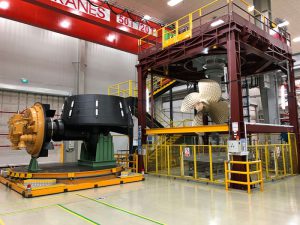
OCTOBER 10, 2018 — Caterpillar Marine reports that its latest generation of azimuth thrusters, the new MTA v3, is now available. The MTA v3 lineup currently covers the entire Cat 3500 range
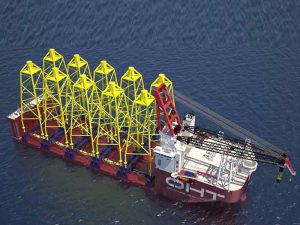
SEPTEMBER 25, 2018 — Kongsberg Maritime has won a $13 million contract to equip a new heavy lift crane vessel for Norway’s Offshore Heavy Transport (OHT). The vessel, a customized Ulstein Design

By Jan Hagen Andersen, Business Development Director, DNV GL Maritime AUGUST 22, 2018 — The introduction of the new global sulfur cap in 2020 is causing nothing short of a paradigm shift in