Tanker Aqua 1 struck by two missiles in Qatar waters
Written by Nick Blenkey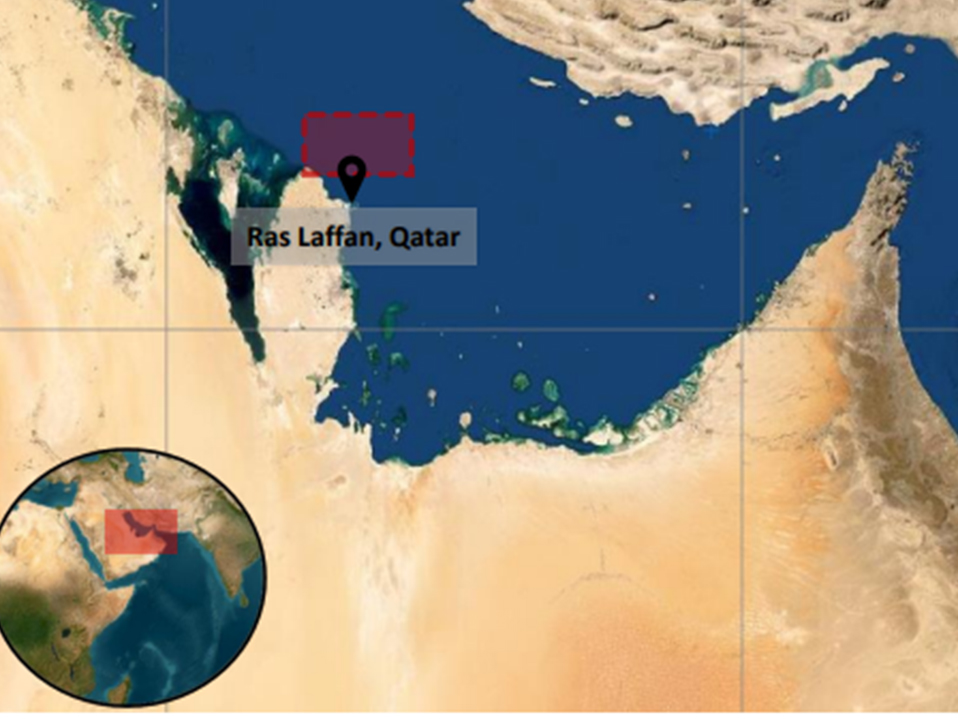
Image: UKMTO
Another day, another Iranian strike on a merchant vessel. QatarEnergy confirmed today that the Aqua 1, a fuel oil tanker on charter to the company, was the subject of a missile attack in the northern territorial waters of the State of Qatar in the early morning hours of Wednesday, April 1, 2026.
Reuters reports Iran’s Islamic Revolutionary Guard Corps as saying that it had targeted the Aqua 1 because of what it said were its ties with Israel.
According to UKMTO, the vessel was 17 nautical miles north of Ras Laffan when it was struck on the port side by two missiles, one of which caused a fire which was subsequently extinguished. The other remains unexploded within the engine room and is being investigated by the relevant authorities.
QatarEnergy says that none of the crew members on board Aqua 1 were injured, and there is no impact on the environment as a result of this incident.
NEW UNCTAD ASSESSMENT
Meantime, the situation in the region continues to have a negative impact on economies worldwide. The UN Trade and Development (UNCTAD) has followed its first rapid assessment of the situation with a second that finds that what began as a disruption in a key energy corridor is now feeding through the entire global economy. The disruption of the Strait of Hormuz is hitting a large share of global oil and gas supplies, with immediate consequences for production, trade and consumption worldwide. It is also spilling over into transport systems, including maritime routes, air cargo and port logistics.
Trade losing momentum: Global merchandise trade is expected to slow sharply, from about 4.7% growth in 2025 to 1.5–2.5% in 2026.
Inflation pressures rising: Energy shocks are pushing up prices and increasing the cost of living.
Financial stress increasing: Investors are pulling back from developing countries, weakening currencies and raising borrowing costs.
High vulnerability: 4 billion people live in countries already spending more on debt than on health or education.
- Read the full new UNCTAD assessment HERE
Categories: News, Safety and Security