

Are some VLSFO blends “Frankenstein” fuels?
Do some fuels very low sulfur fuel oils (VLSFO) produced to comply with IMO 2020 contain a high level of black carbon? The Clean Arctic Alliance believes that they do and is
Do some fuels very low sulfur fuel oils (VLSFO) produced to comply with IMO 2020 contain a high level of black carbon? The Clean Arctic Alliance believes that they do and is
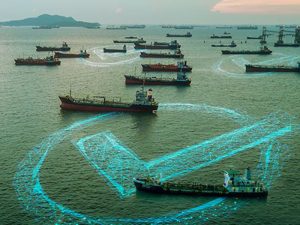
Independent accreditation body Verifavia Shipping has certified the Fueltrax fuel monitoring solution as meeting the requirements of the European Union’s Monitoring Reporting and Verification (MRV) regulations and IMO Data Collection System (DCS)

Although the IMO 2020 transition to low sulfur fuels has so far been smooth, U.K.-based law firm Hill Dickinson notes some issues are arising over the margin for error in testing the
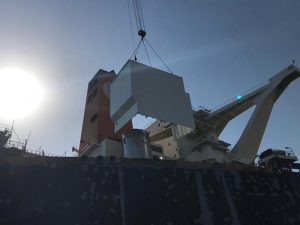
ASRY (Arab Shipbuilding & Repair Yard), Bahrain, has completed the retrofit of an exhaust gas scrubber on a VLCC within 33 days of the ship’s arrival at the shipyard. Because of IMO
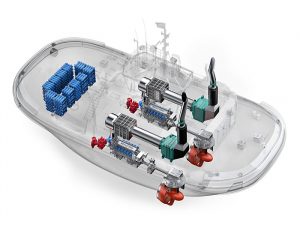
Antwerp-headquartered CMB (Compagnie Maritime Belge) today said that it has offset all of its CO2 emissions in order to have net zero CO2 emissions as from 2020. It says that it has
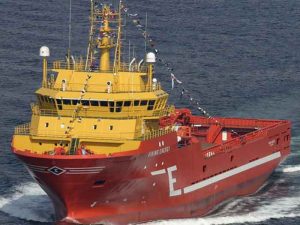
Equinor has signed an agreement with Eidesvik Offshore that will see the North Sea supply vessel Viking Energy modified to enable it to cover long distances powered by carbon-free ammonia fuel cells.
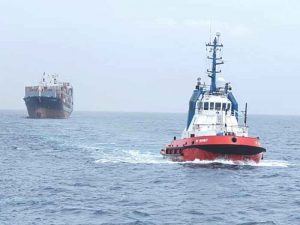
On the night of January 20, two Kotug International Rotorugs picked up a Mayday signal from the 2,506 TEU Euroseas containership Em Oinousses which had suffered a devastating engine room fire, sailing
The world’s largest lender to global shipping, BNP Paribas, and leading wealth manager Credit Suisse have become the fifteenth and sixteenth financial institutions to sign on to the Poseidon Principles. With BNP

The International Maritime Organization says that information from various sources has indicated there has been a relatively smooth transition to the 0.50% global limit on sulfur in marine fuels that came effective

At least $1 trillion of capital investment in land-based and ship-related infrastructure will be needed to achieve the IMO target of reducing world shipping’s total greenhouse gas emissions by at least 50%