
Op-Ed: Shipping’s future will depend on the skills of both men and women
Written by Clare Urmston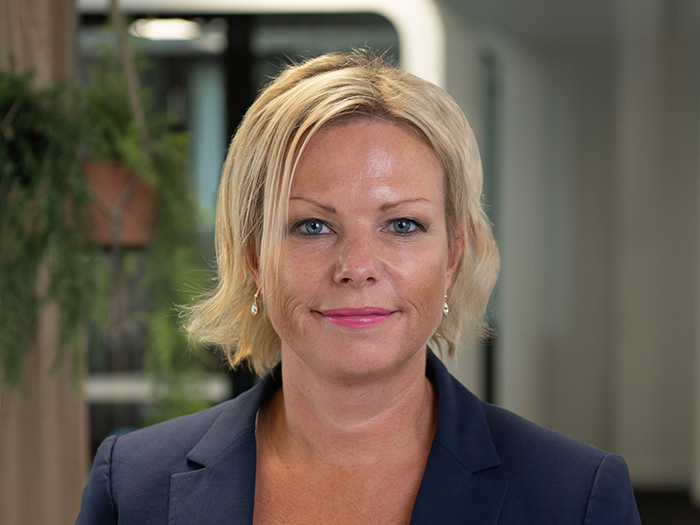
Clare Urmston, CEO, Anemoi Marine
International Day for Women in Maritime is observed annually on May 18. For me, when asked about its significance, I see it as a way to celebrate the women who work, both at sea and ashore, in what has traditionally been a male-dominated industry. More importantly, however, I see it as a call to action.
As the shipping sector reshapes itself to meet the challenges of decarbonized operations and digital technology, a full range of skills and perspectives is needed, regardless of gender. Women can therefore be part of designing the industry’s future, rather than just participating in it.
The rapid transformation towards greater efficiency and green technology that shipping is currently undergoing is rooted in the need to both reduce operating costs and comply with ever-tightening regulations. To be successful, companies need a hiring strategy based on meaningful inclusion. Whether onboard ship or in an office, the personnel selected — both male and female — should be capable of contributing fully and without discrimination.
This means having equal access to development and progression. It also means flexibility without penalty, recognizing different life stages and care giving responsibilities, so talented women or men are not forced to choose between a maritime career and their personal life.
I am fortunate to be employed by a progressive and flexible company with a track record of hiring and promoting female talent. Over half of Anemoi Marine’s executive team are female, across a multitude of disciplines, and this in turn helps in attracting talent to the company and the sector. In other words, we walk the walk.
Handling the challenges
There have, of course, been challenges that I have had to face alongside many of my female peers, especially during my earlier career. I worked in various sectors before joining Anemoi Marine in 2020. Along the way, I have had to deal with some strong male characters, some of whom were purposely intimidating and dismissive of female contributions.
My way of tackling this behavior has been to call it out by working closely with, and gaining peer support from, other male colleagues. It has not always been easy, though, and my advice to women in a similar situation is to seek help early and to be ready to try different approaches to get your voice heard.
Regardless of the challenges, there are abundant opportunities for women entering the maritime sector. Now is the time to be part of changing the future of shipping and making the world a cleaner place for generations to come.
As shipping companies around the globe come to terms with the need to reduce emissions, talent is needed across the entire value chain. Whether on the front line at sea, making engineering decisions, or providing back-office support, there are numerous chances for young women to carve out a worthwhile and safe career. Organizations that want to win the next decade cannot afford to exclude half the talent pool.
Operational sustainability is the inevitable future for shipping and, for this, diversity of perspective is needed to strengthen decision-making in a period of regulatory and technical uncertainty. Companies that listen to and respect a wide range of voices and opinions will innovate faster and manage risk better.
There is huge value in practical problem-solving, improving energy efficiency, understanding and adopting emerging technologies, and effective maintenance and route planning. This value can be delivered equally well by both sexes.
As a CEO in maritime, I have learned to listen first before acting. Listening to customers and charterers to understand their needs and concerns is vital for ensuring that the product offered is the right product. Listening to my fellow workers is equally important.
I try to lead by example, especially on safety and integrity. I have found that culture is everything, and if I do things in the proper way, people will follow. This includes building diverse teams and giving them real influence.
Anemoi Marine has always welcomed employees of different backgrounds and with different experiences. This has strengthened our ability to improve problem-solving, reduce blind spots, and deliver better performance as the industry navigates an emissions-free future.
So, to sum up my interpretation of the relevance of International Day for Women in Maritime, I would emphasize that progress happens fastest when companies put the basics in place. By that I mean safe working environments, transparent promotion criteria, role models and mentoring.
Clare Urmston is CEO for Anemoi Marine.
Categories: Op-Eds