Mines add to escalating threat environment in Strait of Hormuz
Written by Nick Blenkey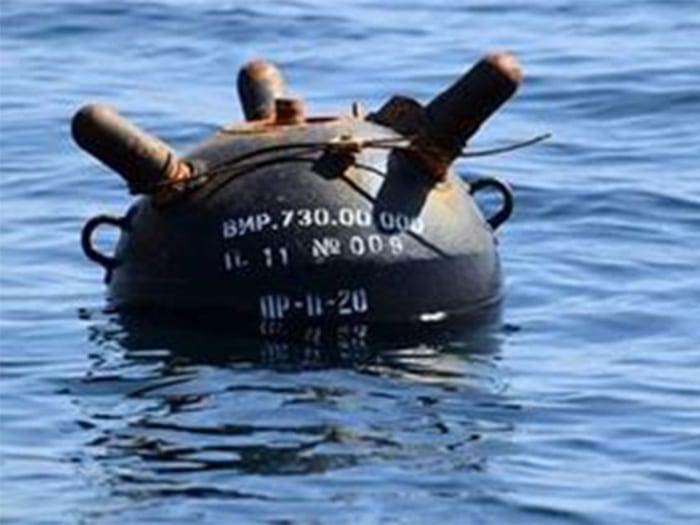
[Romanian Navy photograph]
In its latest daily update on the situation in and around the Strait of Hormuz, where multiple vessels remain trapped, Windward Ai reports that maritime activity remains constrained —and the threat environment is escalating.
“U.S. intelligence assessments indicate the presence of Iranian naval mines within the Strait, introducing a persistent and largely invisible risk to maritime operations,” says Windward. “While diplomatic signals suggest potential de-escalation, the physical risk to vessels transiting the waterway remains acute.”
Windward notes that the naval mines within the waterway include both moored and limpet-style devices designed to evade detection and target passing vessels. These systems rely on magnetic and acoustic sensors, allowing them to activate without direct contact and significantly increasing the risk to commercial shipping.
“This development,” says Windward, “introduces a persistent sub-surface threat layer to an already constrained operating environment, where vessels are navigating not only geopolitical restrictions but also potential kinetic hazards embedded within key transit lanes.
Across the Gulf, vessel presence increased to 681 AIS-transmitting foreign vessels, reflecting continued operational activity despite disruption. Energy flows remain elevated, with both Iranian and Russian crude volumes sustained under temporary sanctions frameworks, even as infrastructure strikes and supply constraints introduce growing instability.
CURRENT THREAT ASSESSMENT
- Strait of Hormuz transit remains constrained and controlled, with movement occurring through defined northern corridors.
- Iranian naval mine deployment introduces a high-risk, non-visible threat to commercial shipping. ● Vessel routing continues to reflect permission-based access aligned with geopolitical factors.
- Iranian and Russian oil flows remain elevated under temporary sanctions frameworks.
- Russian export infrastructure is increasingly vulnerable to kinetic disruption.
- Port activity reflects continued rerouting and operational instability across the region.
- Maritime security risks remlevated, with persistent vessel targeting and infrastructure strikes.
Download the full Windward AI report HERE
Categories: News, Safety and Security
![3.5 meter diameter rotor sails following assembly and testing at Anemoi's production facility. [Photo: Anemoi]](https://www.marinelog.com/wp-content/uploads/2026/07/90c5e6b1-e7a5-4446-96fd-1889b4d0c49a-1-300x225.jpg)