
Pacific green corridor ports agree partnership strategy
Green corridors first got a lot of attention at the COP26 summit in 2021 when the U.S. signed on to the Clydebank Declaration for Green Shipping Corridors (DGSC). Since then, the Maritime
Green corridors first got a lot of attention at the COP26 summit in 2021 when the U.S. signed on to the Clydebank Declaration for Green Shipping Corridors (DGSC). Since then, the Maritime
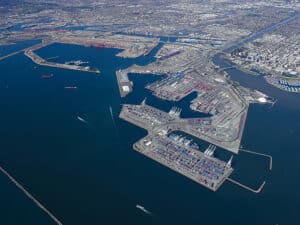
The Port of Long Beach reports that it has achieved its busiest September on record. Dockworkers and terminal operators moved 829,429 twenty-foot equivalent units (TEUs) in September 2023, up 11.8% from the

Sighs of relief came from West Coast ports as the International Longshore and Warehouse Union (ILWU) yesterday ratified the tentative contract agreement reached in June with employers represented by the Pacific Maritime
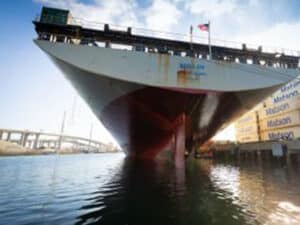
A shift in consumer spending towards experiences rather than products may be good for the cruise industry, but maybe not so much for container movements through ports. The Port of Long Beach

Port officials across California were posing with giant checks yesterday as Gov. Gavin Newsom announced an investment of more than $1.5 billion in California ports – including approximately $450 million for zero-emission
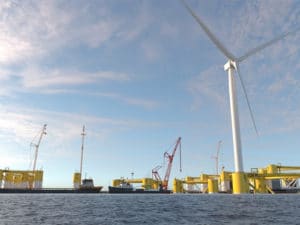
The Port of Long Beach has released a concept study for a facility called Pier Wind that would support the manufacture and assembly of offshore wind turbines standing as tall as the
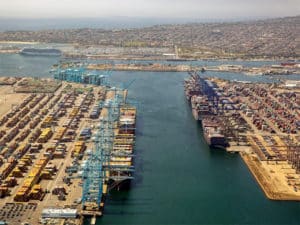
Five California container ports – Los Angeles, Long Beach, Oakland, Hueneme and San Diego – signed a Memorandum of Understanding (MOU) yesterday launching the California Port Data Partnership. The MOU outlines an
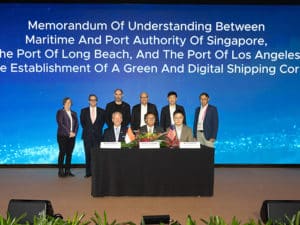
Two developments today give hope that green shipping corridors are starting to move closer to reality. The long in the works plan for a green corridor linking California’s San Pedro Bay ports
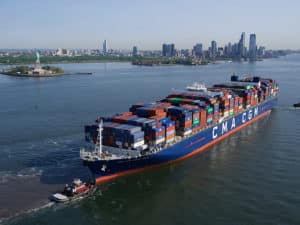
The Port Authority of New York and New Jersey says that the Port of New York and New Jersey moved the most cargo of any port in the U.S. in February 2023

By Andrew R. Lee and James A. Kearns Ninety percent of cargo moving throughout the United States is transported on water at some point in its journey. By the end of this