
Ever Given freed, but seafarers still stuck
April 2021 A few short weeks ago, the entire world was transfixed by images of one of the largest containerships on the globe blocking the Suez Canal for six days, causing an
April 2021 A few short weeks ago, the entire world was transfixed by images of one of the largest containerships on the globe blocking the Suez Canal for six days, causing an

The April issue of Marine Log magazine is all about the U.S. offshore wind jump start, how hydrogen fuel on the inland waterways is a possibility, and more.

Setting a new record for the event, almost 500 participants took part in Marine Log’s TTB 2021 — Tugs, Towboats & Barges conference. This was the second virtual presentation of TTB. A
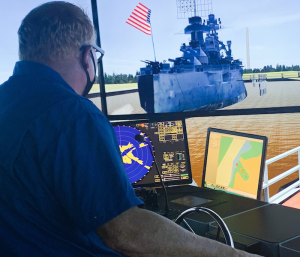
It’s been almost one year since the deadly pandemic known as COVID-19 started spreading across the globe and companies are still feeling its effects and will perhaps for years to come. In
Lance Sannino, a partner in the Maritime Practice Group at New Orleans headquartered law firm Jones Walker LLP, will present on “Creditor’s Rights Under Maritime Law: Tools to Consider in the Current

As prospects for offshore wind in the United States continue to make headlines, Jonathan Zier, manager – business development of offshore services for Crowley Maritime, will speak on “Tug and Barge Opportunities
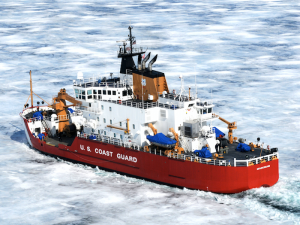
March 2021 On March 3, U.S. Senators Tammy Baldwin (D-Wis.), Todd Young (R-Ind.), and Gary Peters (D-Mich.) reintroduced the Great Lakes Winter Commerce Act. The bipartisan legislation aims to codify the U.S.
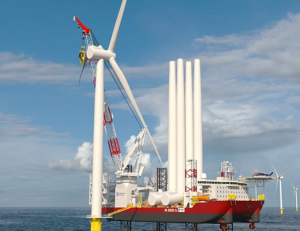
February 2021 As we report in both this month’s Inside Washington and Inland Waterways columns, the Biden Administration has been loud and clear in its affirmation of the Jones Act. Secretary of
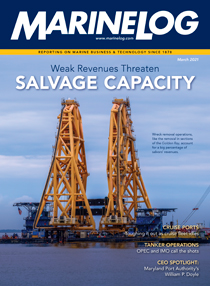
The March issue of Marine Log covers cruise ports, tanker operations, and more. Plus, Q&As with Richard Janssen on salvage capacity and William Doyle, with the Maryland Port Administration.
December 2020 With both the United Nations and the U.S. saying maritime workers are essential, it’s important that we ask whether those workers should be prioritized before the general, less-at-risk population. As